Golf on the North Coast is a genuine three-season affair, and knowing the rhythm of the calendar is the difference between a firm, glorious round and a soggy one. The engine behind it all is Lake Erie itself, whose shallow water moderates the shoreline climate in ways that matter to golfers.
The lake effect, in your favor
Lake Erie is the shallowest of the Great Lakes, so it warms quickly in spring and holds its warmth into autumn. For the shoreline courses near Huron and Sandusky that means turf greens up a little earlier and stays in color a little later than it does inland. The trade-off is wind and, in late fall and winter, the lake’s famous “lake-effect” cloud and snow — but through the playing season the lake is mostly a friend. Course superintendents (represented nationally by the GCSAA) work the same lake-moderated conditions to keep these courses playable from thaw to frost.
The shape of the year
Golf here runs thaw to frost and then stops, which gives the quiet months a job: plan next spring, and see to the body. A full season of a rotational game loads the lower back, hips and lead knee — the American Medical Society for Sports Medicine covers how overuse complaints get assessed. Many golfers on this shore spend part of the winter in Arizona’s Valley of the Sun, where the season never closes; the official Scottsdale travel site covers courses and lodging. If an August twinge is still nagging, that is a reasonable place to have it looked at: the QC Kinetix joint pain specialists in Scottsdale (qckinetix.com) consult on persistent knee, hip and shoulder complaints.
Spring (April–May)
Early spring is shoulder-season golf: cooler, occasionally damp, and quiet on the tee sheet, but increasingly rewarding as May arrives. Greens firm up, rates are friendliest, and the crowds have not yet found the lake. Pack a layer for the breeze and check the forecast — the Cleveland NWS office covers the shore — and you will often have a Fazio-designed course nearly to yourself.
Summer (June–August)
Peak season, and for good reason: long days, warm water and a lake breeze that keeps the heat honest. It is also the busiest stretch, because the region doubles as a family-vacation destination, so book tee times and lodging ahead and consider early-morning rounds to beat both the crowd and the afternoon wind. See the travel guide for pairing golf with the rest of a summer weekend.
Fall (September–October)
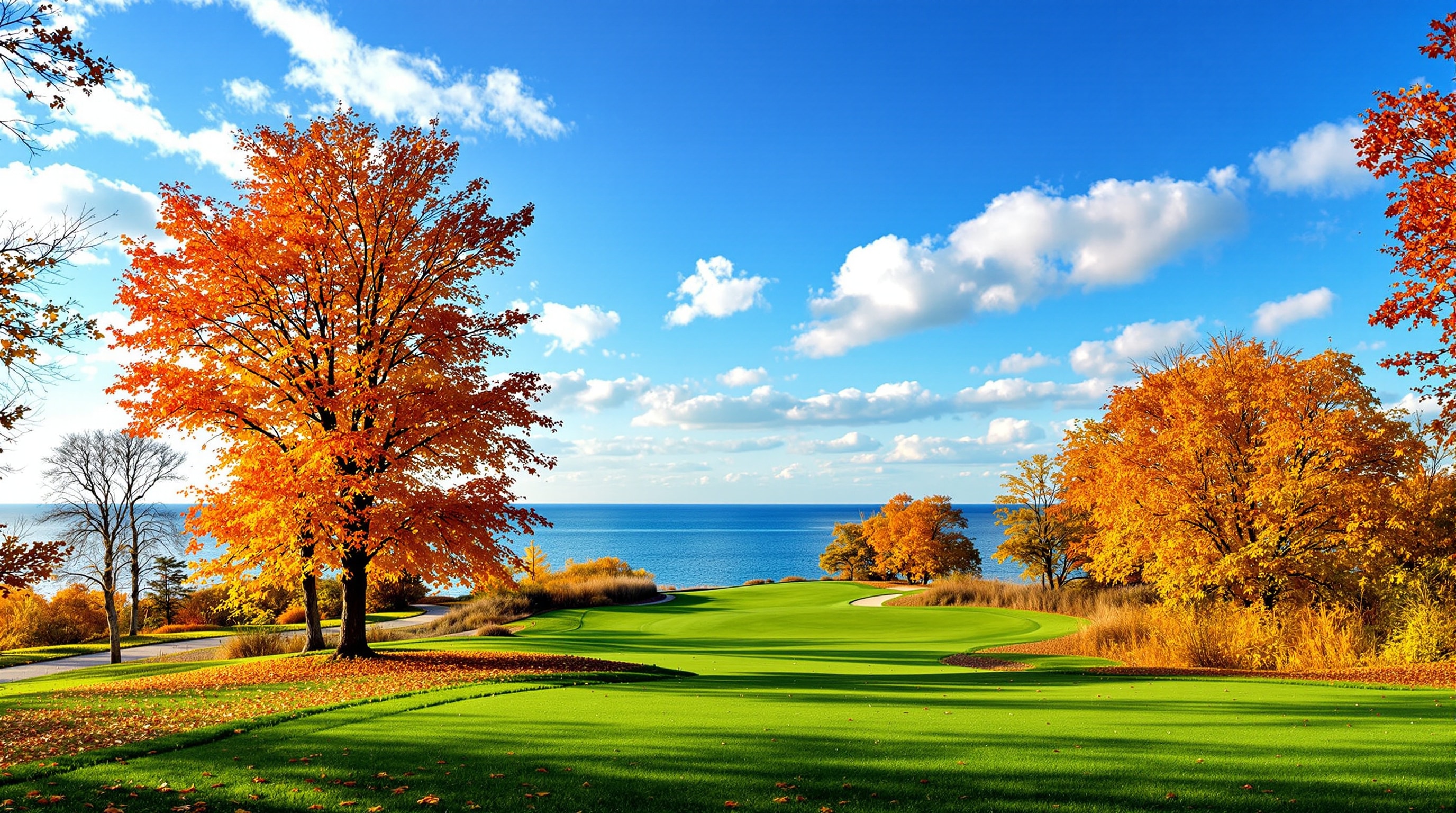
For many locals, autumn is the best golf of the year. The air turns crisp, the turf firms up, the tee sheets thin out, and the hardwoods along the wooded holes explode into orange and gold. October rounds on the North Coast are as scenic as golf gets in the Midwest. Bring layers for a brisk lakeside morning that warms into a perfect afternoon.
Late season and winter
Hardy golfers steal rounds into November on mild days, but the lake-effect season eventually closes things down, and courses typically pause for winter. That off-season is when to plan next year’s trip: study the area courses, pick your dates, and be ready to book the moment the season opens.
The bottom line
If you want firm turf, comfortable temperatures and elbow room, aim for May, June, September or October. If you want a lively lake-vacation atmosphere with golf woven through it, midsummer is made for you. Either way, match your ambitions to the wind with our lakeside playing tips.