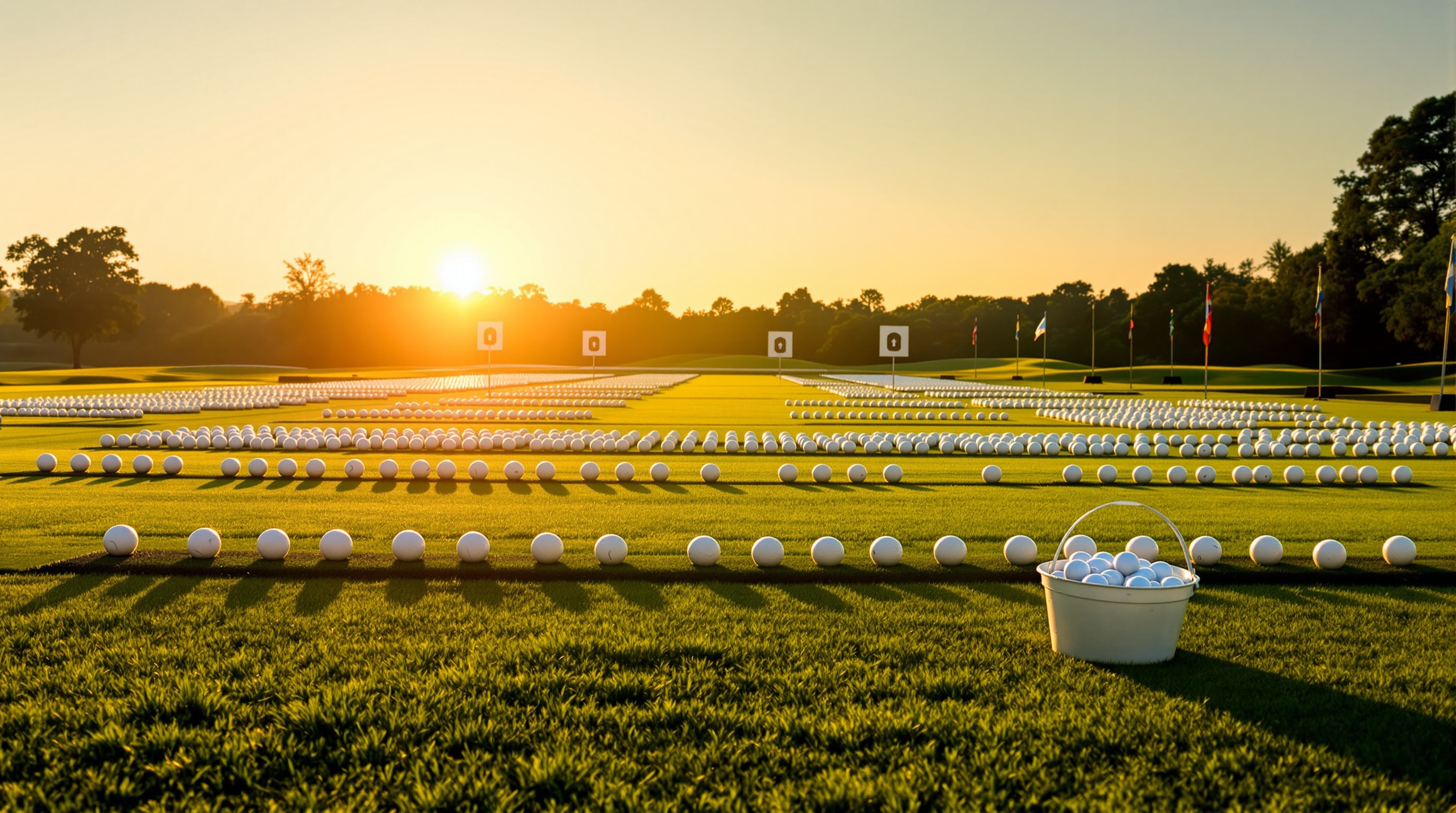
The fastest way to enjoy North Coast golf more is to practice the shots it actually asks for. Lakeside courses reward a repeatable, wind-friendly swing and a sharp short game far more than raw distance. This page is about practicing with a purpose — and about the pathways into the game for beginners and juniors around Huron and Sandusky.
Practice for the conditions you’ll face
Range time is only useful if it rehearses real situations. For golf on the lake, that means three priorities. First, a lower, controlled ball flight — spend a portion of every session hitting knock-down shots at three-quarter effort, because that is the shot that survives the wind. Second, distance control with your wedges, since holding a firm, well-defended Fazio green is a wedge-and-nerve skill, not a power skill. Third, lag putting, because breeze and subtle shoreline break make the first putt on a big green the one that saves your round. Our playing-tips page explains how each of those shows up on the course.
Build a simple practice routine
- Warm up small: start with wedges and half-swings before you reach for the driver — it grooves tempo and protects your back on a cool lakeside morning.
- Practice with targets: pick a specific flag or landing zone for every ball; aimless bucket-bashing builds bad habits.
- Rehearse the miss: spend time hitting from uneven lies and into the wind, not just off flat mats in calm air.
- End on the green: finish every session with ten minutes of lag putting and short putts, the cheapest strokes in golf.
Keep something going in the off-season
Northern golfers give away more over the winter than they realise, and the remedy is small and boring: a few minutes of putting on a carpet, some slow-motion rehearsal in front of a mirror, and enough stretching to keep your turn from going stiff. If you have access to a simulator or a heated bay, spend the time on wedge distances rather than driver speed — that is the skill that fades fastest and matters most in an April breeze. Ten minutes a few times a week is the difference between arriving in spring already swinging and spending May finding your game.
Working with a coach
If you want faster progress, a few lessons with a qualified professional are money well spent — especially to build a flighted shot and a reliable short game. The PGA of America maintains a coach-finder that can point you to certified instructors in the region. Many public courses also offer clinics and playing lessons; ask at the course you plan to play.
Beginners and juniors
The North Coast is a welcoming place to start. Municipal and everyday courses like those on our area-courses page are friendly to new players and quick nine-hole rounds, which is exactly how most people should begin. For kids, national youth programs such as First Tee combine golf fundamentals with life skills and often run local chapters and summer sessions — a great low-pressure entry into the game.
Anyone picking up clubs has plenty of company. According to National Golf Foundation industry research, 48.1 million Americans age six and older played golf on- or off-course in 2025, including 29.1 million on a golf course and 19 million who participated exclusively off-course at driving ranges, indoor golf simulators and golf entertainment venues. Those off-course settings help participants build comfort before visiting a golf course for the first time: the NGF reports 3 million or more on-course beginners every year since 2020, while just under 4 million juniors played on a course in 2025, more than in any year since 2004, and women represent 28 percent of on-course golfers and 35 percent of beginners.
Take it to the course
Practice earns its keep only when you transfer it to real golf. Book an unhurried round, play the smart lines you have rehearsed, and treat every awkward lie as a rep you already own. Then read up on the course and go put it to work.